
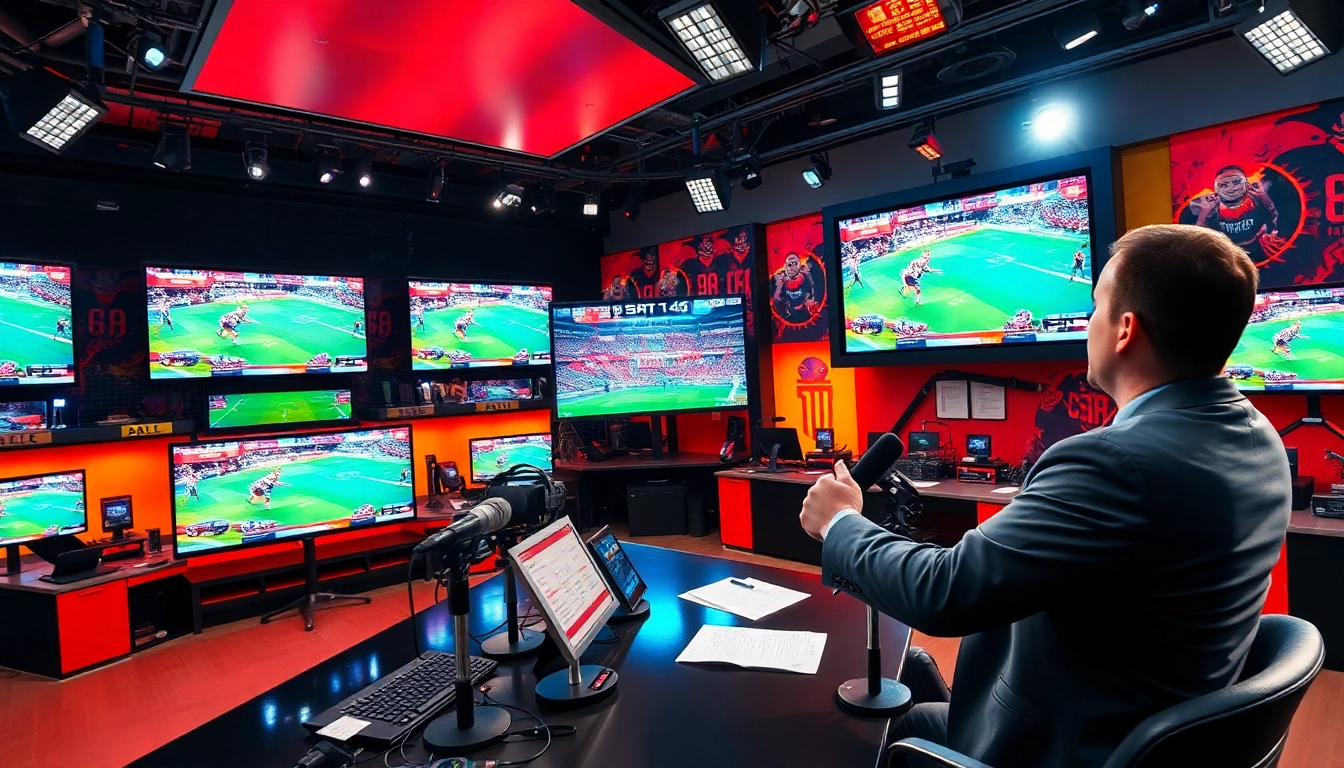
Understanding Sports Broadcasting
Definition and Key Components
Sports Broadcasting refers to the dissemination of sports content through various media channels to engage audiences. This includes live audio and video coverage of sporting events, highlights, analysis, and discussions. Key components involve the production of content, rights management, distribution, and viewer engagement strategies. A crucial aspect of Sports Broadcasting is its ability to adapt to changing technologies and audience preferences, ensuring that it remains relevant and accessible. The Sports Broadcasting landscape is increasingly competitive, requiring broadcasters to innovate constantly.
The Role of Technology
Technology plays a vital role in enhancing the viewing experience for sports fans. From high-definition broadcasts to augmented reality graphics that provide real-time stats, technological advancements have revolutionized how audiences consume sports. Innovations such as 4K and 8K resolution broadcasting, drones for aerial shots, and even virtual reality (VR) have pushed the boundaries of traditional broadcasting. Mobile applications allow for on-the-go viewing, while data analytics help broadcasters understand audience preferences and tailor content accordingly.
Historical Overview of Sports Broadcasting
The origins of Sports Broadcasting trace back to the early 20th century with radio broadcasts becoming the first medium for live sports coverage. The 1936 Berlin Olympics marked the debut of television broadcasts of sports events, setting the stage for the boom in sports coverage across various media. Over the decades, cable television transformed the landscape, allowing specialized sports channels to emerge, thus providing fans with 24/7 access to sports content. The advent of the internet has added another layer, with streaming services allowing fans to watch events on demand, further shifting how sports are consumed.
Current Trends in Sports Broadcasting
Emergence of Streaming Services
In recent years, streaming has become the dominant form of Sports Broadcasting, driven by changing viewer habits. Services like ESPN+, DAZN, and others have gained prominence as they offer flexible subscription models and localized content. This shift allows viewers to watch games on multiple devices without traditional cable packages, catering to a more diverse audience. It also encourages broadcasters to experiment with exclusive content, such as behind-the-scenes footage and player interviews, to enhance viewer engagement.
Interactive Broadcasting Experiences
The rise of interactivity in broadcasting is changing how fans engage with sports. Interactive elements, such as live polls, social media integration, and real-time statistics during broadcasts, allow viewers to participate actively in the viewing experience. Advanced technologies enable fans to access multiple camera angles or select their commentary, which personalizes their experience significantly. This interaction not only enhances viewer enjoyment but also encourages deeper loyalty towards specific brands and channels.
Globalization of Sports Events
Sports events are no longer confined to local or national audiences. Globalization has expanded the reach of major sports leagues and tournaments, allowing them to attract international viewers. This trend has prompted broadcasters to tailor content for diverse audiences, considering cultural differences in sports presentation. Additionally, various international partnerships and licensing agreements are formed, making it possible for sports fans worldwide to enjoy events live, regardless of geographic location.
Challenges Faced in Sports Broadcasting
Managing Rights and Licensing
Rights management remains one of the most significant challenges in Sports Broadcasting. With multiple broadcasters vying for exclusive broadcasting rights, managing these relationships becomes complex. The cost of acquiring rights can be exorbitant, which can impact the profitability of media companies. Additionally, the landscape is continuously evolving, requiring broadcasters to adapt to new regulations and licensing structures in different regions and platforms.
Adapting to Viewer Preferences
Viewer preferences are rapidly changing, and broadcasters must keep pace to maintain audience engagement. The shift towards mobile and on-demand viewing necessitates that broadcasters rethink how they deliver content. Younger generations, in particular, favor bite-sized content, so understanding demographic shifts is crucial. Implementing audience feedback mechanisms, such as surveys or engagement metrics, can help broadcasters align their offerings with viewer expectations.
Ensuring Quality Content Delivery
Quality control is vital in the realm of Sports Broadcasting. Poor video quality, stream interruptions, or inconsistent commentary can lead to viewer dissatisfaction and loss of audience. Broadcasters must invest in robust technological infrastructure to ensure reliable delivery. Regular training for commentators and production staff can also maintain a high standard of content. Additionally, employing backup systems during major events can mitigate risks associated with technical failures.
Best Practices for Engaging Audiences
Utilizing Social Media
Social media platforms play a pivotal role in engaging sports audiences. Through live tweeting, interactive posts, and fan polls, broadcasters can create a buzz around events and keep fans invested before, during, and after games. Collaborating with influencers within the sports community can also enhance credibility and expand reach. Broadcasters should leverage user-generated content to create a community feel among fans, fostering a deeper connection to the sports being aired.
Creating Compelling Content
Content quality significantly influences viewer engagement levels. Beyond live games, content can include player biographies, in-depth analysis, and fan stories that resonate with audiences. Producing high-quality documentaries or behind-the-scenes footage can draw viewers closer to their favorite teams and personalities. Investing in storytelling techniques can elevate standard coverage into a more compelling narrative, attracting even casual viewers to become more invested.
Enhancing Viewer Interaction
Enhancing viewer interaction during broadcasts can significantly impact audience retention. Features like second-screen experiences, where users can access additional content on their devices while watching an event, allow for a multi-layered engagement. Live chats or Q&A sessions with sports analysts can stimulate discussions among fans, fostering a sense of community and shared excitement around the event, ultimately improving viewer loyalty.
The Future of Sports Broadcasting
Predicted Technological Advancements
The future of Sports Broadcasting is likely to be driven by technology, with trends such as AI-driven content curation and machine learning playing prominent roles. Enhanced analytics will guide broadcasters in customizing content to viewer tastes. Additionally, augmented and virtual reality will allow fans to immerse themselves in the viewing experience, whether at home or in stadiums, creating a new level of engagement.
Shifts in Consumer Engagement
As digital natives enter the sports market, their preferences will shape the future of content consumption. Emphasis will shift towards engaging storytelling and authentic experiences rather than mere event broadcasts. Understanding these shifts will be critical for broadcasters to remain relevant. Strategies may include interactive experiences that meld live events with gamified engagement, aligning viewer interests with broadcasters' content offerings.
Potential Regulatory Changes
As sports broadcasting evolves, so too will regulations surrounding intellectual property and licensing. Future policies may prioritize consumer access over exclusivity, allowing for more streamlined viewing experiences across platforms. Broadcasters must stay informed about these changes to adapt their business models accordingly and ensure compliance with emerging regulations that govern digital content delivery.
Frequently Asked Questions
What is Sports Broadcasting?
Sports Broadcasting involves sharing live sports events through various media channels, including television, radio, and online platforms. It encompasses a wide range of content from live matches to analyses and highlights.
How has technology impacted Sports Broadcasting?
Technology has transformed Sports Broadcasting by enabling high-definition broadcasts, on-demand viewing, data analytics, and interactive experiences, thus significantly enhancing viewer engagement.
What are the main challenges faced by Sports Broadcasters?
Broadcasters face challenges in rights management, adapting to viewer preferences, and ensuring quality content delivery, which requires constant innovation and investment in technology.
How do broadcasters engage with audiences effectively?
Effective engagement strategies include utilizing social media, creating high-quality, compelling content, and enhancing viewer interactions during broadcasts to foster community among fans.
What is the future direction of Sports Broadcasting?
The future will likely see increased technological advancements, shifts in consumer engagement preferences, and evolving regulatory frameworks changing how content is delivered and consumed.